Trujillo and the Sierra de Santa Cruz: the authenticity of Extremadura’s heritage and landscape
Extremadura is one of Spain’s most appealing regions for those looking to live or have a second home surrounded by nature, history and a slower pace of life. It brings together natural beauty, architectural heritage, gastronomy and a distinct sense of wellbeing, all enhanced by a mild climate with long, sunlit days throughout the year.
In this context, the province of Cáceres stands out as one of the most distinctive areas in the region. Located in the northern part of Extremadura, it is particularly notable for its history, vast Dehesa landscapes and rich cultural heritage, filled with monuments and singular sites.
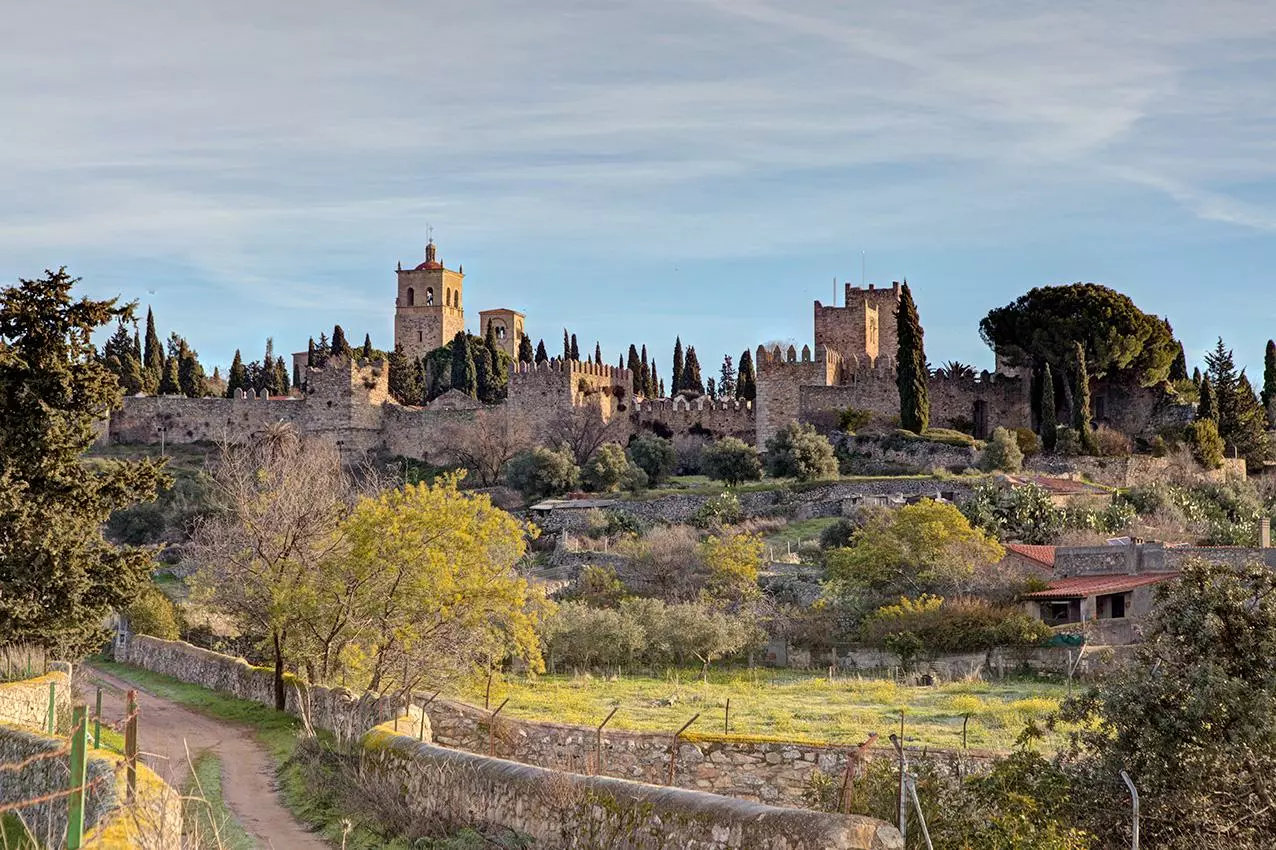
In this context, the province of Cáceres stands out as one of the most distinctive areas in the region. Located in the northern part of Extremadura, it is particularly notable for its history, vast Dehesa landscapes and rich cultural heritage, filled with monuments and singular sites.
Among its most remarkable enclaves are the historic town of Trujillo and the nearby Sierra de Santa Cruz. Trujillo, birthplace of some of Spain’s most notable explorers, is defined by its imposing palatial architecture, while the Sierra is characterised by the quiet beauty of its natural surroundings and the richness of its archaeological remains.
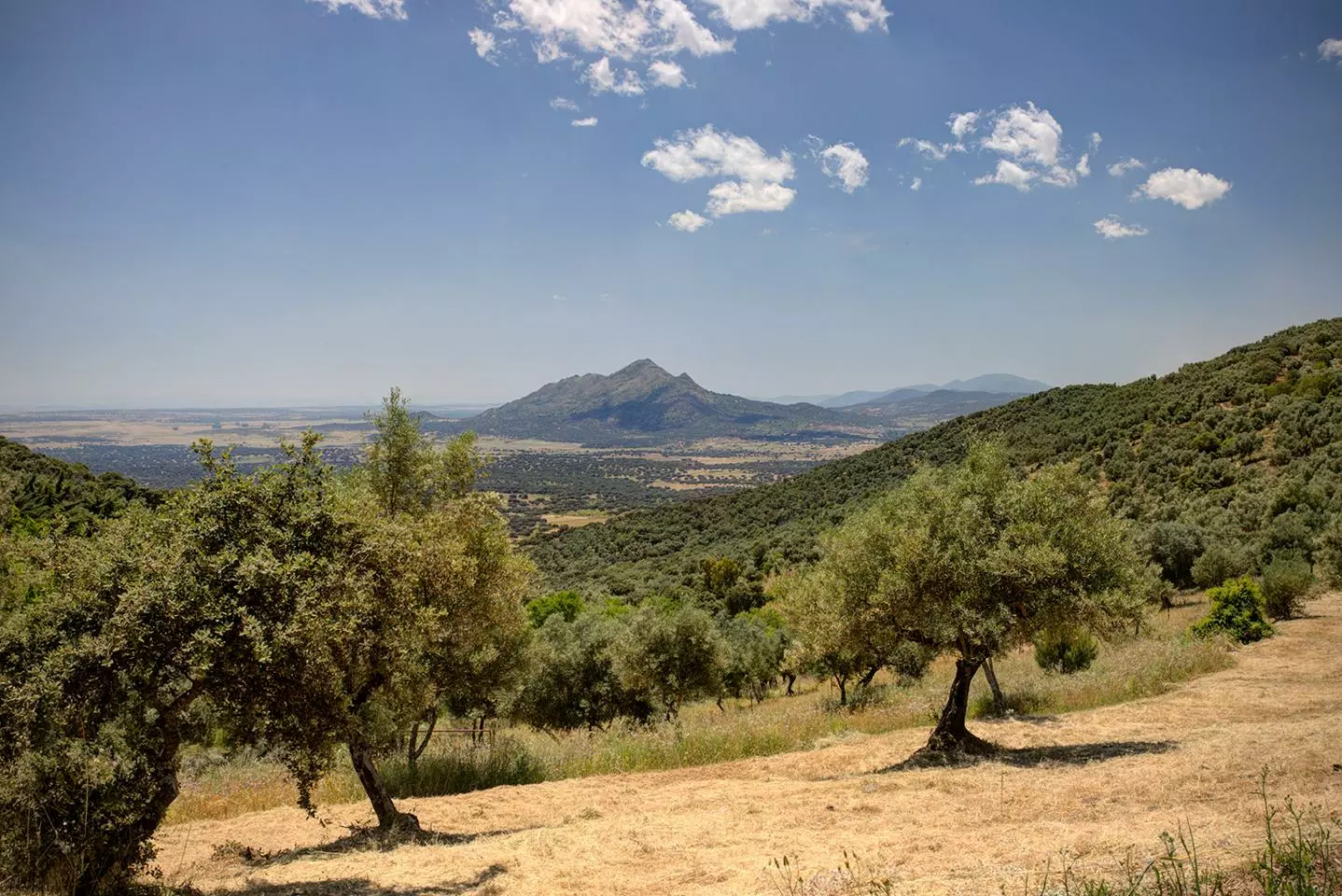
Often referred to as the “sacred mountain” of Extremadura, the Sierra de Santa Cruz—crowned by the Pico de San Gregorio (844 metres)—is one of the region’s most intriguing and atmospheric landscapes. This granite massif stands out for its exceptional historical and archaeological value, hosting the highest concentration of rock-carved altars in the Iberian Peninsula, alongside Roman remains, megalithic elements such as the Menhir of Cancho de la Misa—set beside a striking Arab necropolis—and even the remains of a Muslim castle with its characteristic cistern at the summit. Together, these elements lend the area a distinctive, almost mystical character rarely found elsewhere.
Trujillo, land of explorers
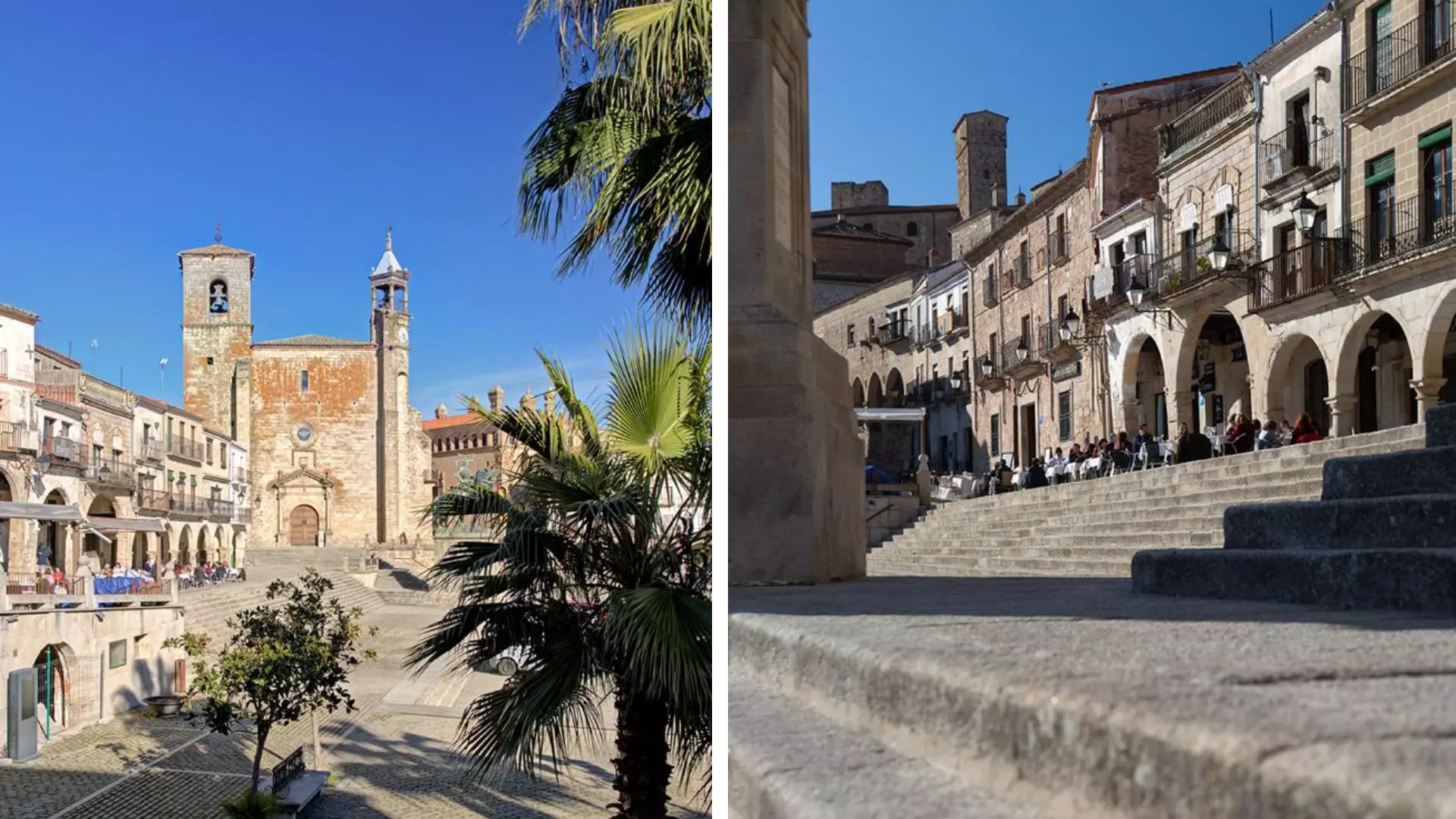
When visiting the historic town of Trujillo, what strikes you first is its architecture, shaped by palaces, noble houses and centuries-old buildings. Walking from the Plaza Mayor up towards the highest part of the town reveals architectural landmarks such as the Palace of the Conquest, the Carvajal Vargas Palace and the Orellana-Pizarro Palace—the latter a fine example of civil Renaissance architecture with Italian influences.
The medieval castle is another defining feature. Once home to the Catholic Monarchs, it offers sweeping views over the historic centre, with its squares, cobbled streets and stately homes, as well as the vast plains of Extremadura stretching towards the horizon. On clear days, it is even possible to glimpse parts of the Sierra de Gredos in the distance.
Inside the castle stands the image of the Virgen de la Victoria, the town’s patron saint. Usually facing towards the town, the figure briefly turns towards visitors when a coin is placed in the chapel’s offering box—one of Trujillo’s many quietly enduring traditions.
Trujillo is also the birthplace of explorers such as Francisco Pizarro and Francisco de Orellana—the former conqueror of Peru and the latter associated with expeditions along the Amazon River. Today, the town is equally recognised for the many stork nests that crown its towers, making it an increasingly popular destination for birdwatching.
In recent years, Trujillo has also been used as a backdrop for productions such as Game of Thrones and 1492: Conquest of Paradise, in which Ridley Scott transformed the city’s walls into the gates of Granada.
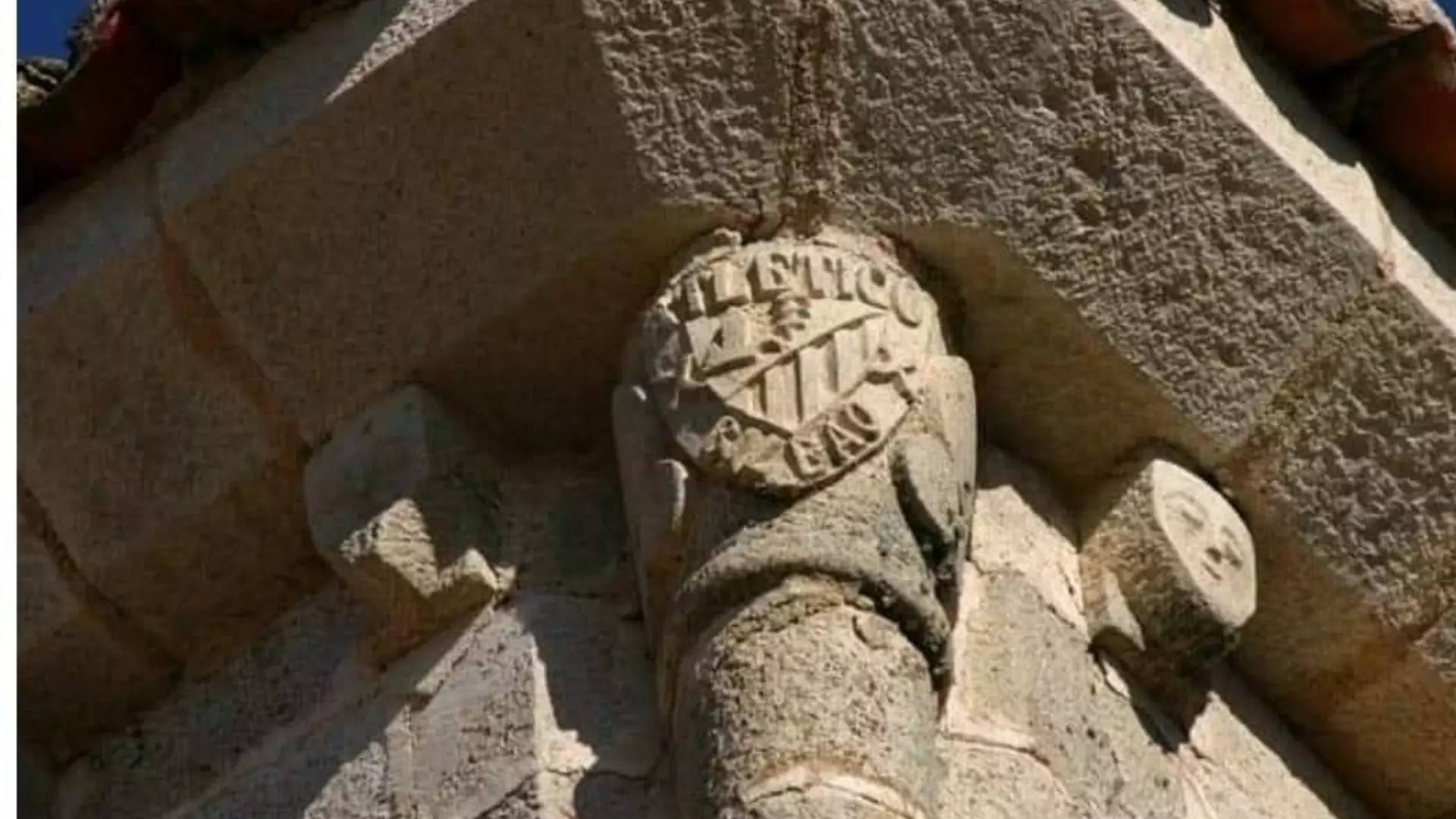
Another lesser-known detail can be found on the Torre Julia, located within the Church of Santa María la Mayor: a small carving of the crest of Athletic Club, discreetly placed high on one of its corners by the stonemason responsible for its restoration. Spotting it requires a good pair of binoculars.
Today, beyond its historical significance, Trujillo and its surrounding area have become increasingly appreciated by those seeking a quieter way of life in close contact with nature, without giving up the cultural richness that defines this part of Extremadura.