Silence and Algorithm: Casa Decor 2026 Takes a Stand
This year, Casa Decor once again surprises with its trends. Nature-inspired colours take centre stage: earthy tones, caramel, terracotta and green. Materials, meanwhile, are not always what they seem—walls that appear to be clad in marble turn out to be wallpaper; finishes reminiscent of tweed evoke traditional textured plaster; porcelain surfaces mimic wood with striking realism.
There is no shortage of spaces designed to provoke reflection. Some address the increasingly dominant role social media plays in our lives. Others transport visitors into a state of calm, where peace and silence—so necessary in times like these—become the true protagonists.
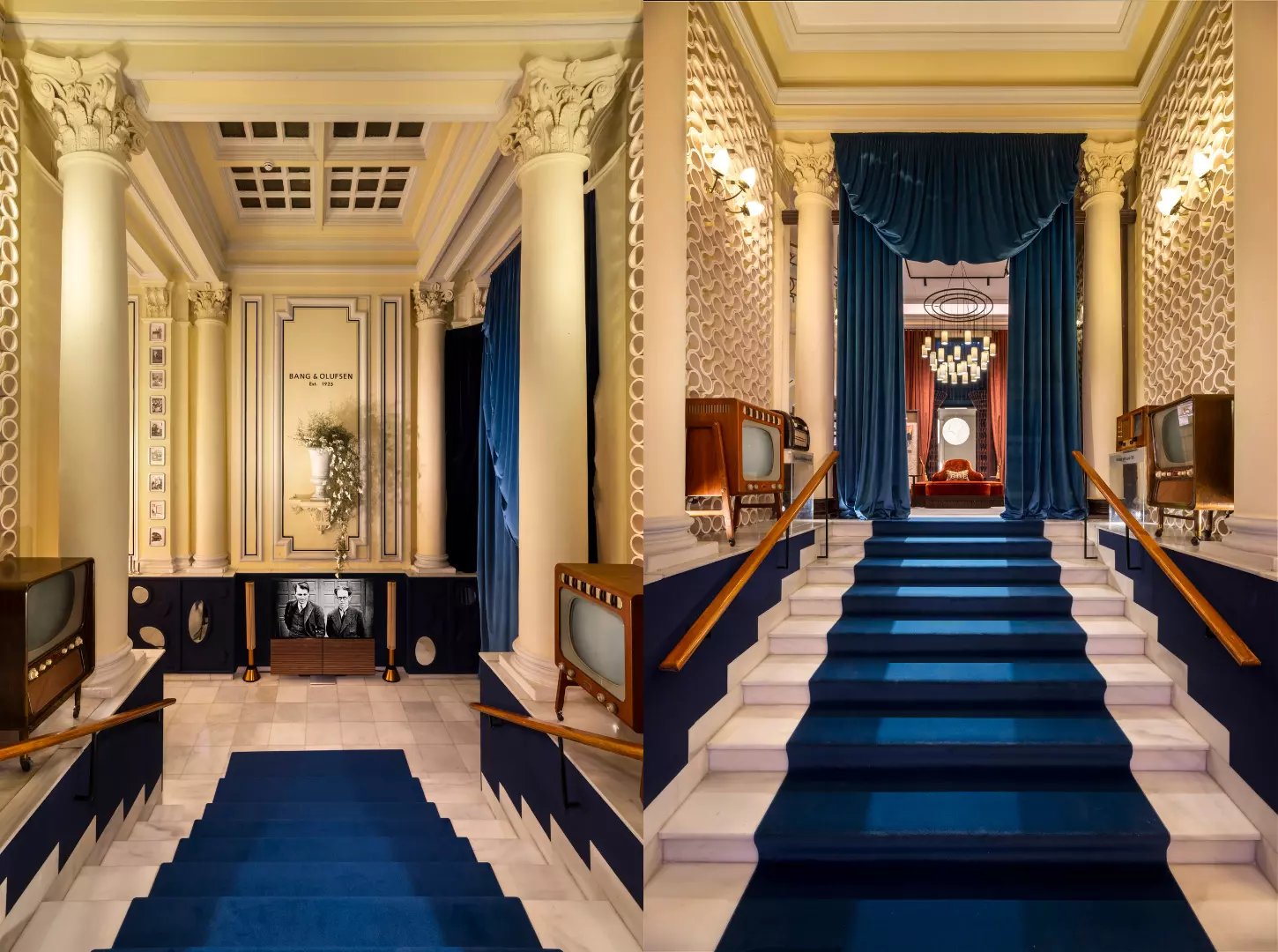
The Sound Club.
The 2026 edition captivates from beginning to end, starting with an enveloping entrance wrapped in fabric and mirrors that enhance the sense of space. An immersive environment celebrating the design and innovation of Bang & Olufsen over its 100-year history. A meeting point between past and present, where technology becomes an aesthetic, emotional and cultural experience.
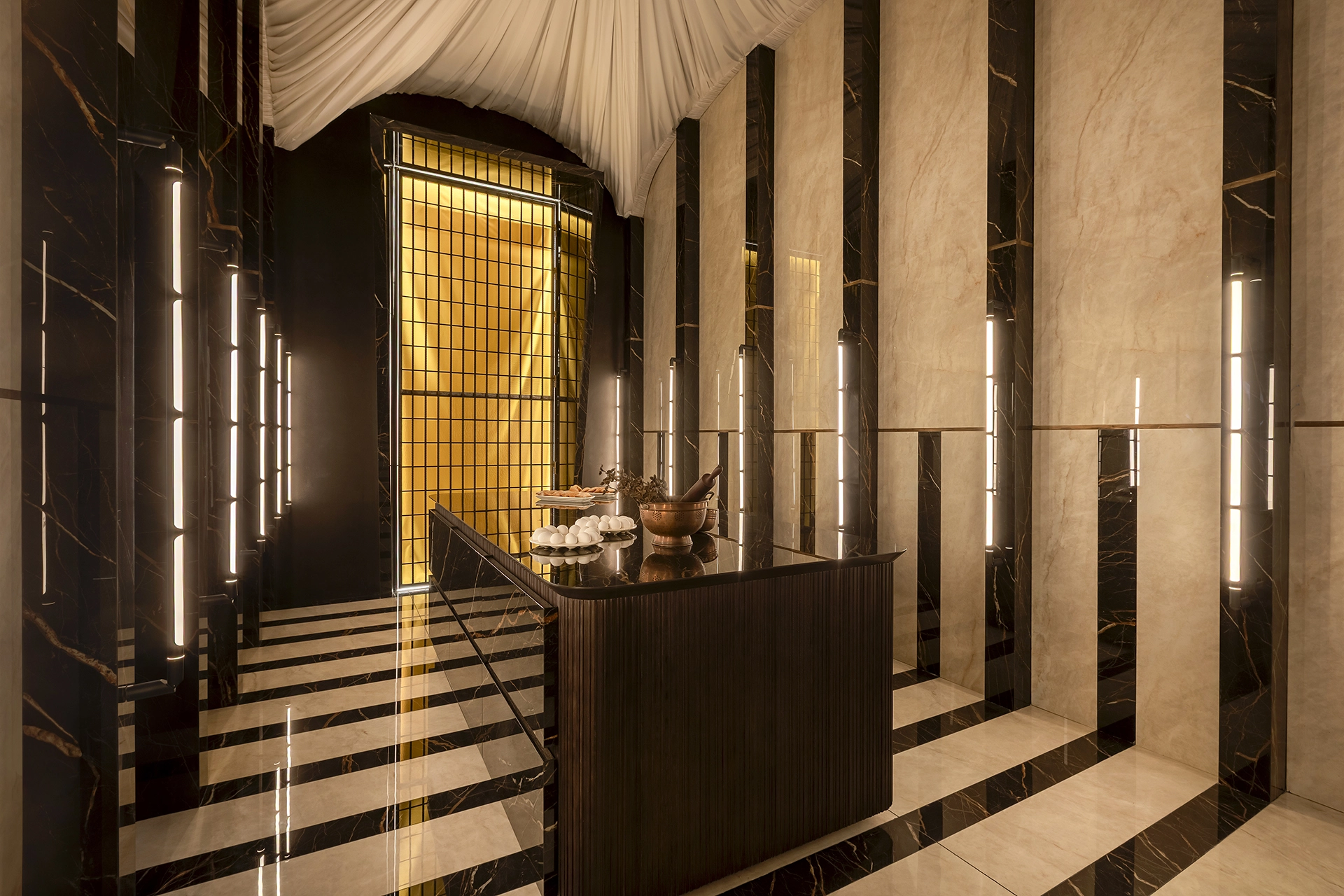
The Workshop: Kitchen, Silence and Ritual.
At a time marked by a renewed interest in spirituality, a space like this feels especially fitting. It evokes the transformation of the Palace of the Marqués de los Vélez—home to this year’s Casa Decor—into a convent, when everyday life itself became ritual. The project reinterprets the refectory and bakery workshop as a scenography in which silence, light and proportion elevate daily use into a spiritual experience. Particularly striking is the ceiling, draped in white retorta cloth traditionally found in convents—a detail that reinforces the ethereal, almost sacred quality of the space.
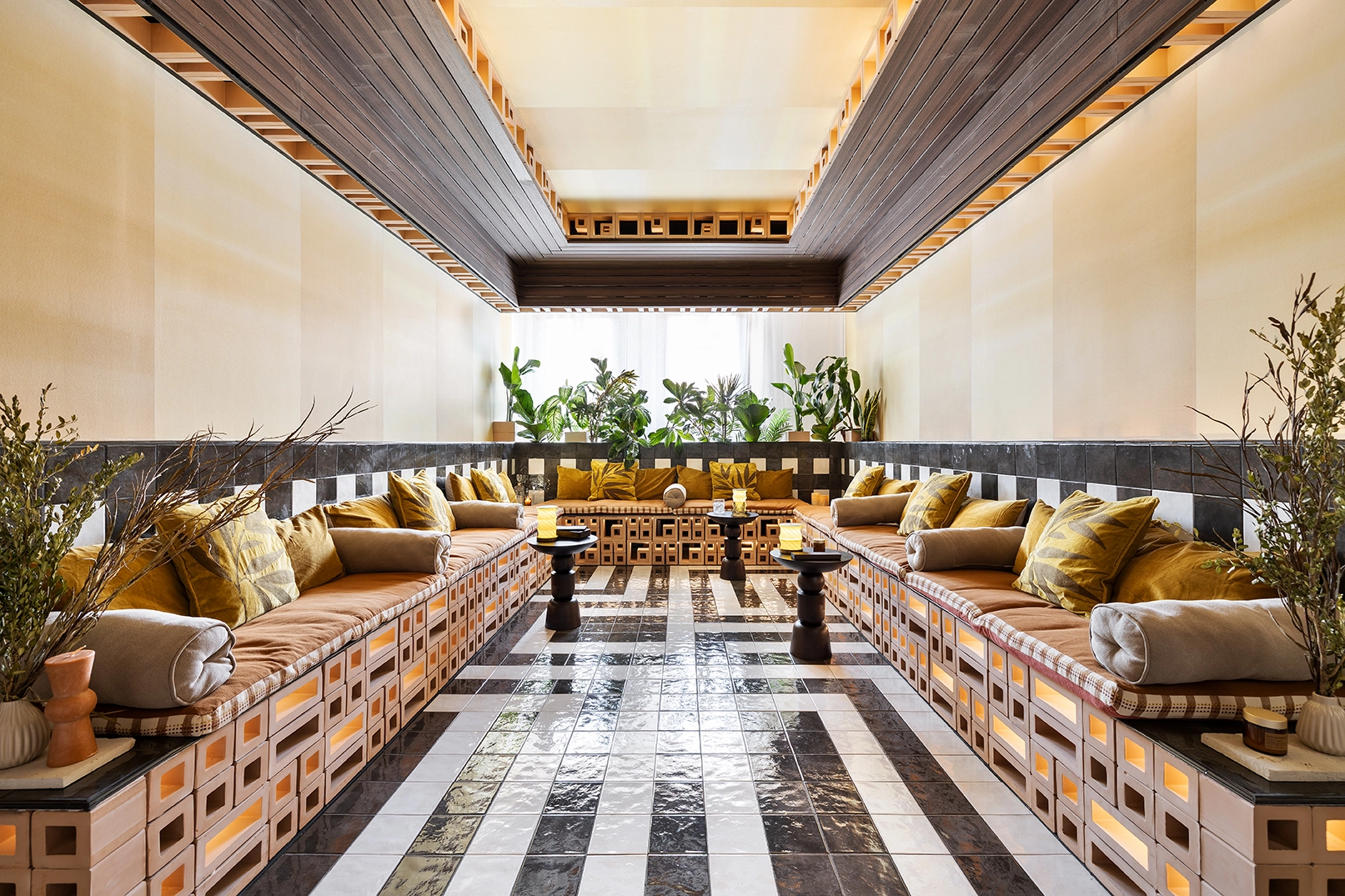
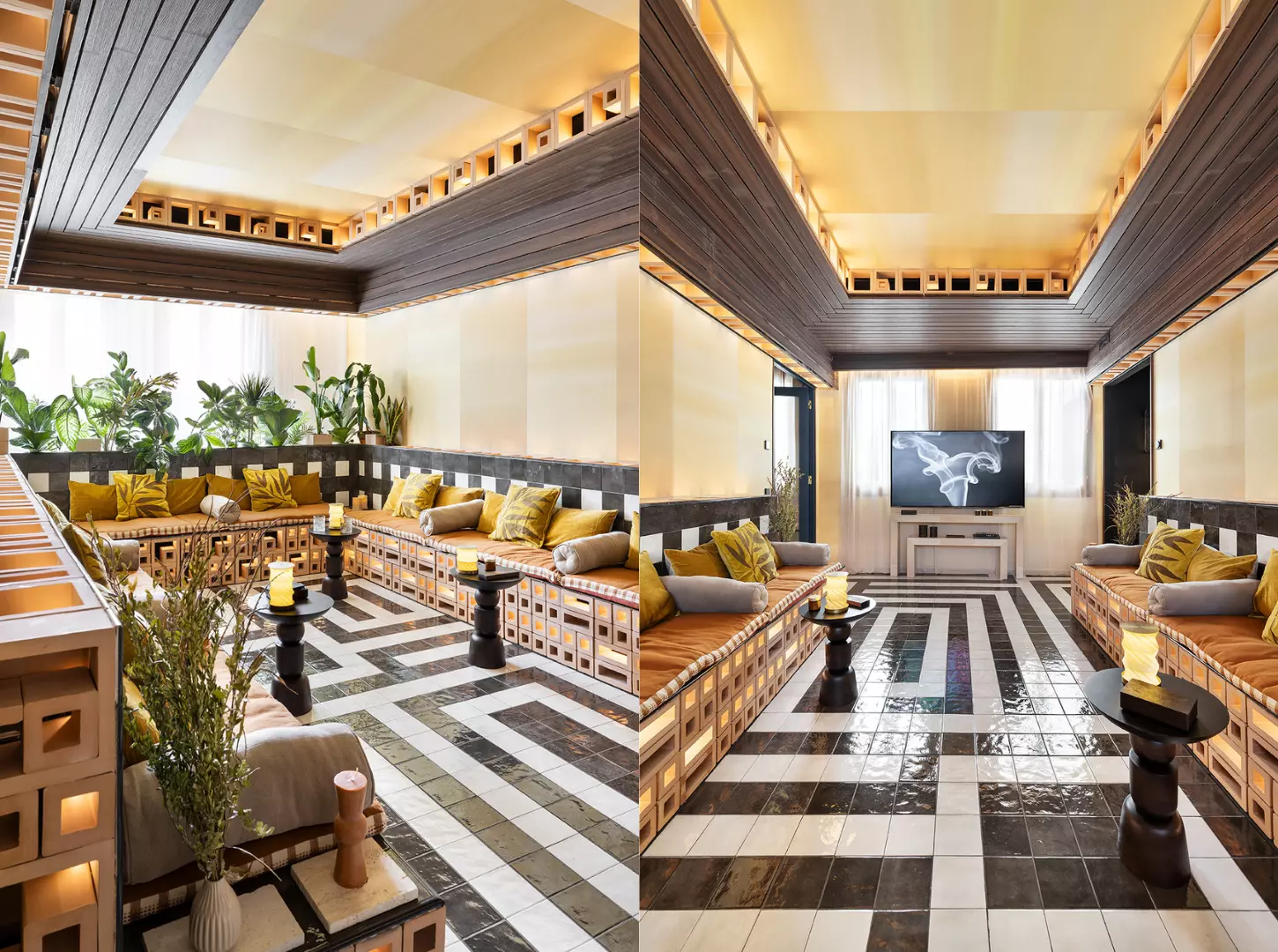
The Journey of Smoke.
This project pays tribute to tobacco drying houses and historic smoking clubs. In 19th-century palaces, fumoirs were sanctuaries inspired by Alhambresque design, where smoke accompanied conversation and contemplation. Here, wood, mosaics and tiled floors and built-in seating come together to create a contemporary sensory experience.
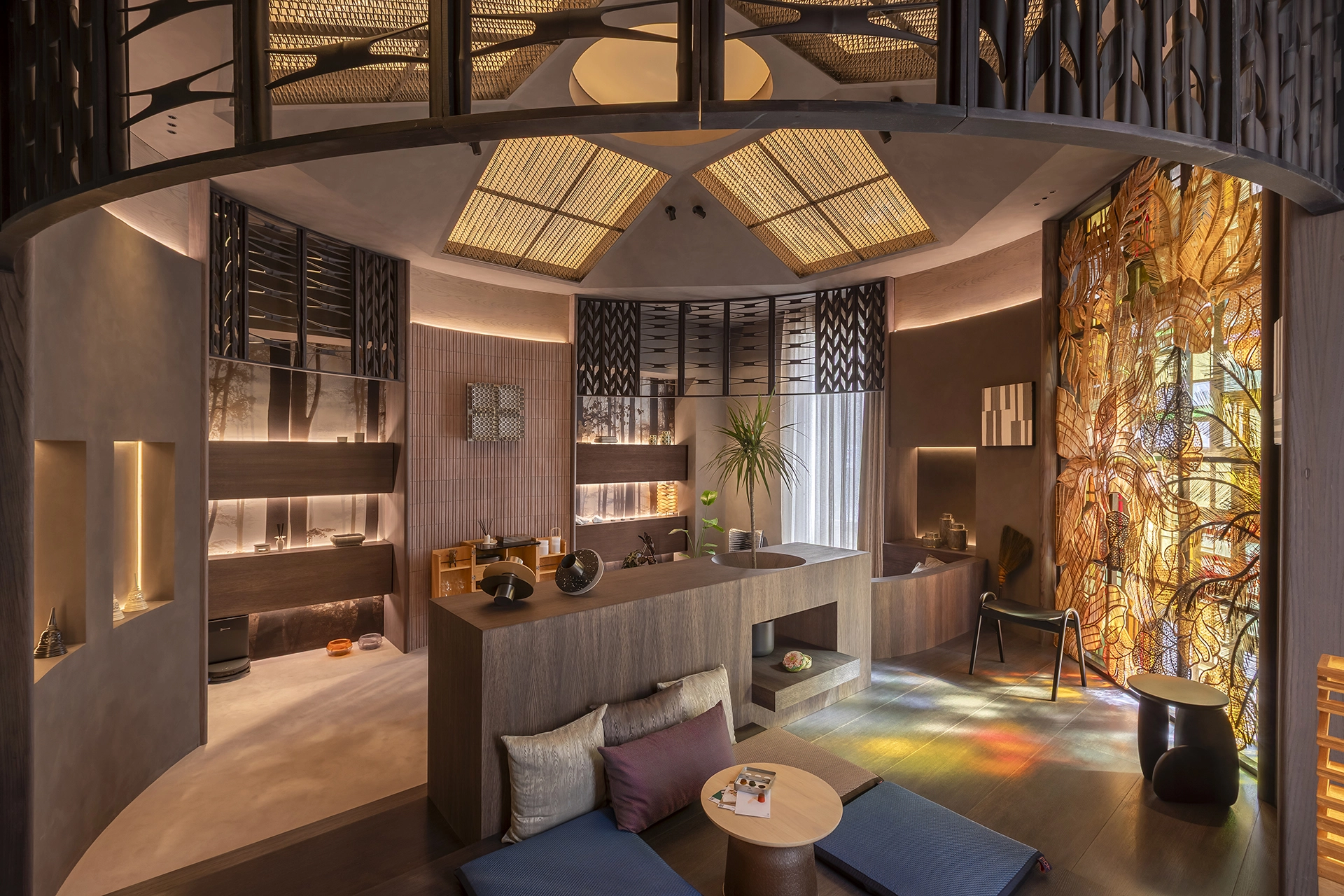
Thailand makes its debut at Casa Decor this year with a space created by 34 companies from the country, bringing together design, sustainability, craftsmanship and exoticism. Bamboo, teak, recycled paper and botanical motifs take centre stage, resulting in an environment that feels both rooted in tradition and distinctly contemporary.
Thailand.
Makes its debut at Casa Decor this year with a space created by 34 companies from the country, bringing together design, sustainability, craftsmanship and exoticism. Bamboo, teak, recycled paper and botanical motifs take centre stage, resulting in an environment that feels both rooted in tradition and distinctly contemporary.
The sanctuary of the self.
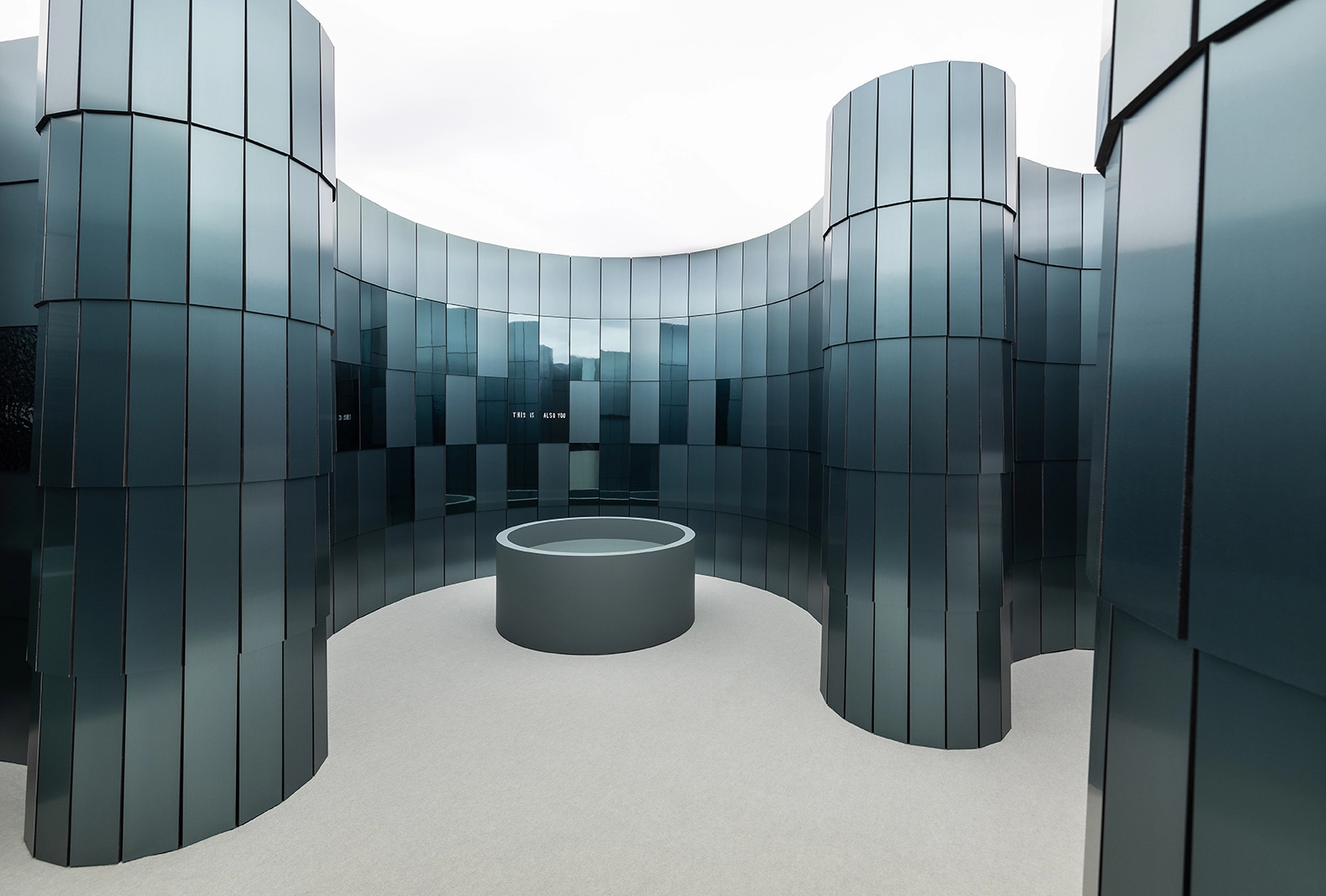
In today’s culture of overexposure, reflection constructs identity. We no longer ask who we are, but how we are seen. This project reveals that everyday sanctuary where the self-ceases to simply be, and becomes appearance, performance and constant validation.
Aether Bathroom.
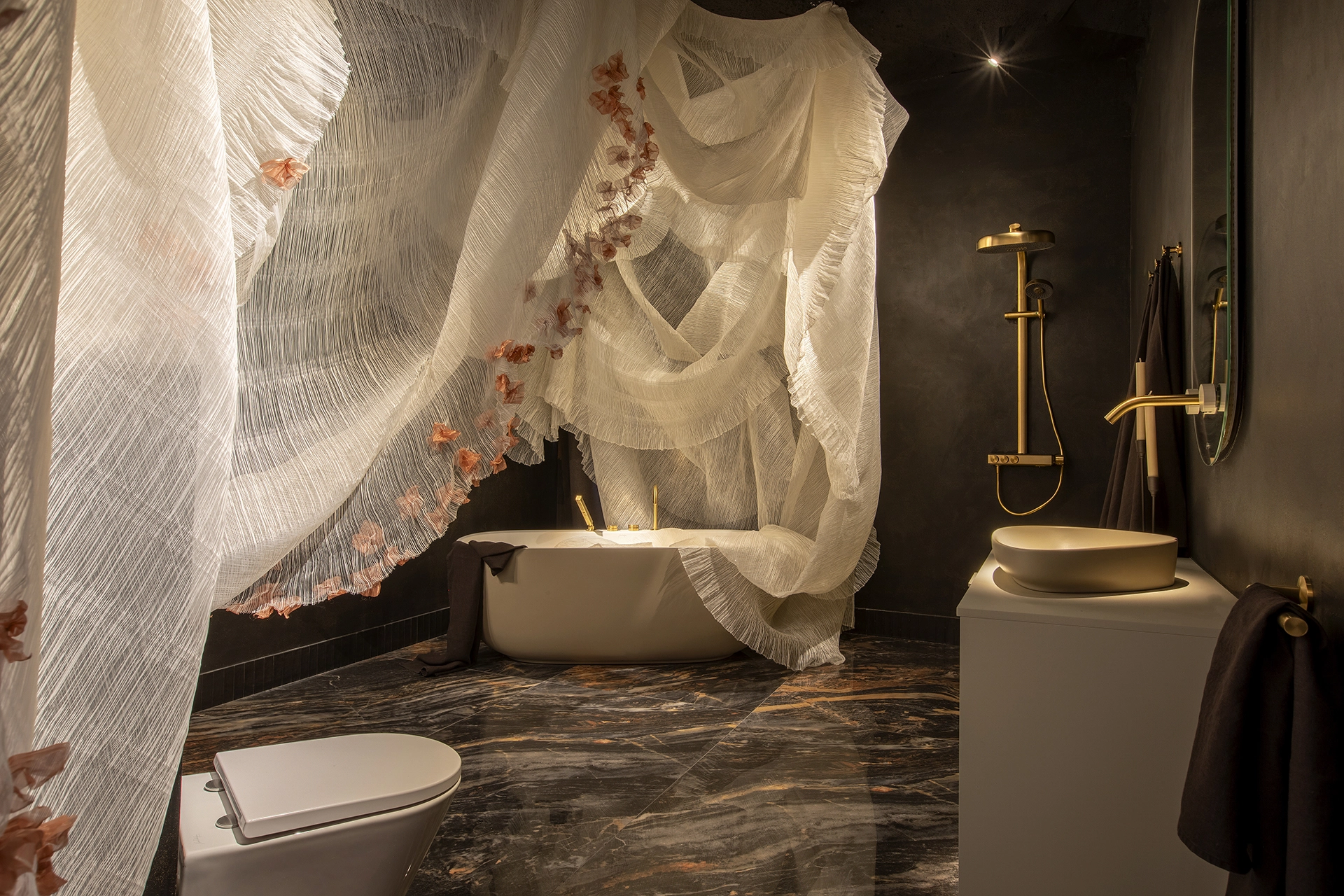
A space that invites rest and relaxation from the very first step inside. Conceived as a refuge of calm and wellbeing, it is designed to distance itself from noise, excess and the superfluous. Through singular materials, filtered light and open volumes, it creates an atmosphere of quiet luxury, restrained elegance, serenity and authenticity—where design is intentional without ever imposing itself.
The silent chapel.
The restaurant created for this year’s edition takes on particular significance thanks to both its scale and its concept. Set within the former convent chapel—which from 1926 became part of the 19th-century palace hosting this edition—its magnificent carved wooden ceiling contrasts beautifully with stone-effect ceramic flooring that extends throughout the space. An artificial fig tree presides over the room, framed by a period wooden lamp above and a spectacular stained-glass skylight overhead.
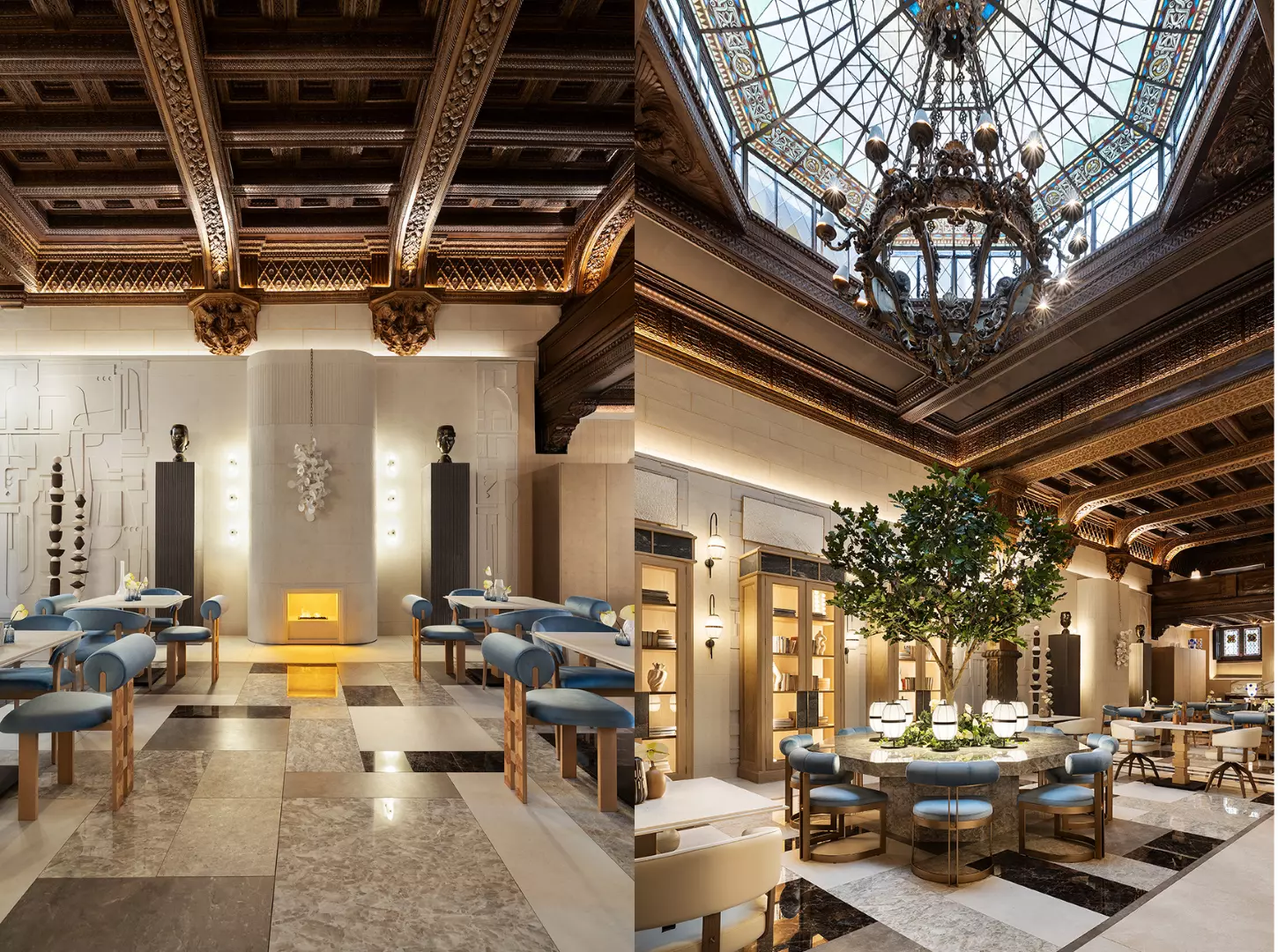
The space has been conceived as a sensory experience. Visitors are invited not only to move through it, but also to engage with the materials, perceive their textures, and experience the contrast between the historical presence of the chapel and the serenity of a contemporary intervention that celebrates the essence of design.