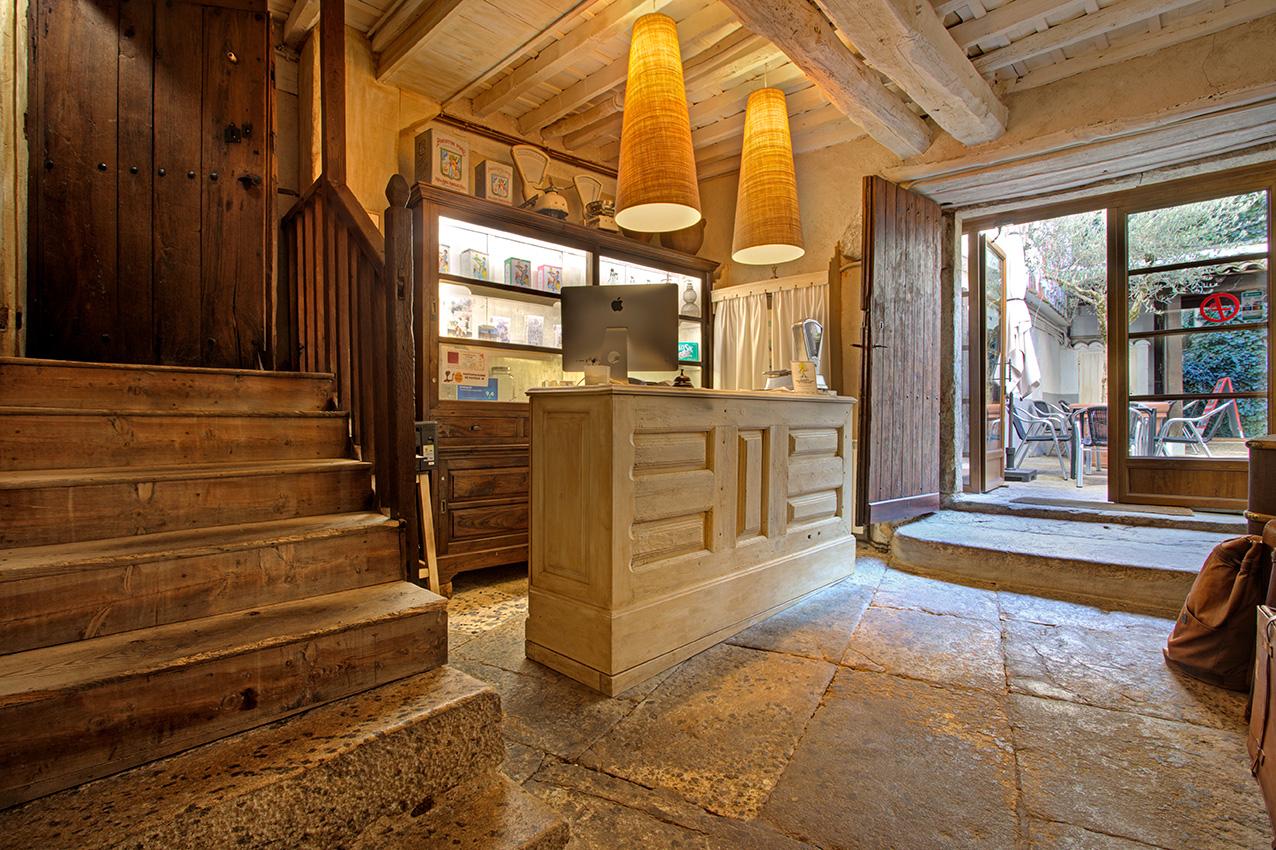
The Art of Light at Home
As autumn advances, daylight hours dwindle and the days grow shorter and gloomier. Since ancient times, humans have searched for ways to overcome this darkness. Torches, candles, oil lamps, gas lighting, electricity… all have played their part throughout history in illuminating interiors and outdoor spaces. Today, light remains essential—not only as a functional element but also as an emotional and decorative feature in our homes. Curious to know how 18th-century palaces were lit?
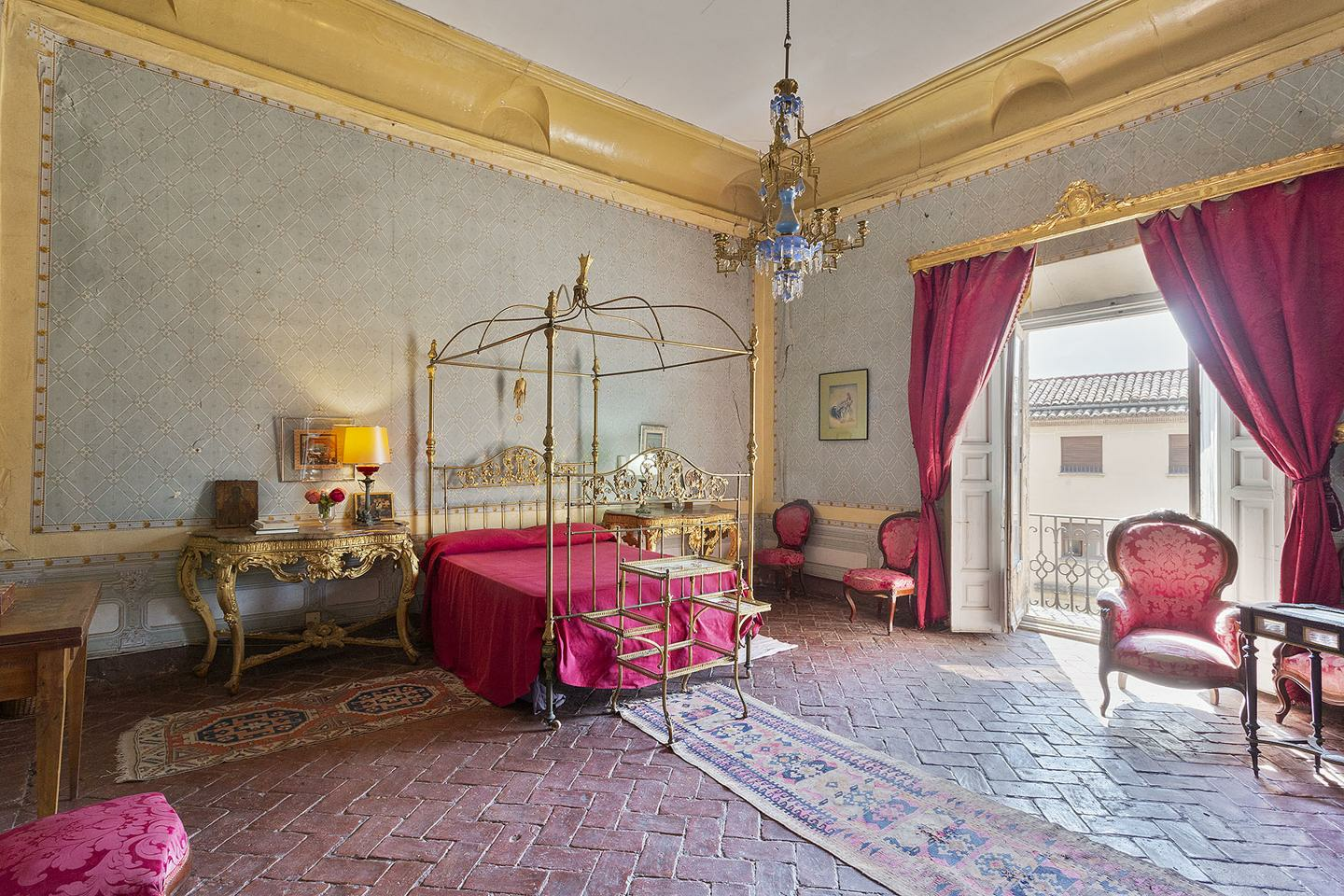
Three centuries ago, palaces and stately residences were illuminated mainly with beeswax candles and oil lamps. Candles provided a warm, soothing glow, while oil lamps produced a brighter, flickering light—though they were also messier to maintain.
Beyond their practical use, candles were a key decorative element. Placed in ornate candelabra crafted from precious metals, they lit the main rooms, often reflecting the elaborate Baroque styles of the period. Their light was amplified through mirrors, a technique already used since antiquity.
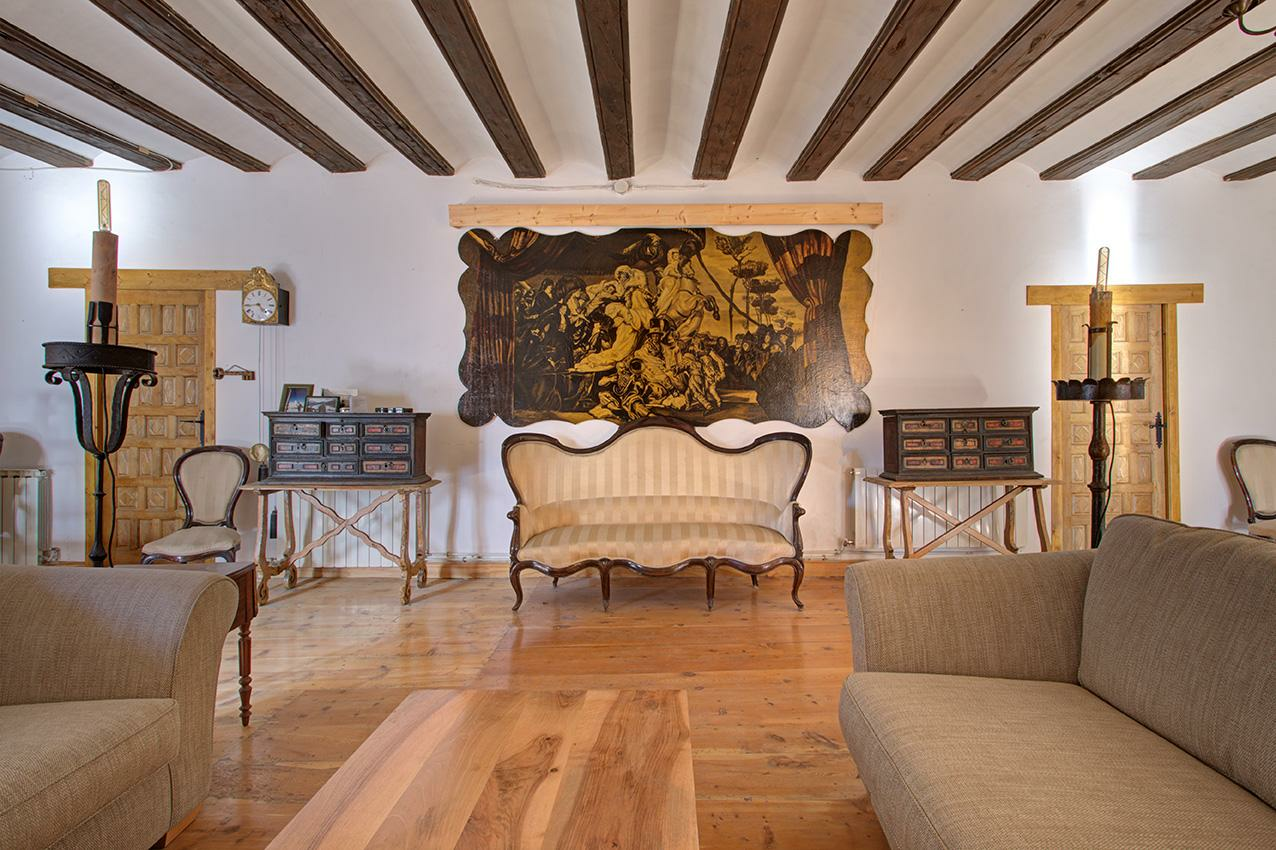
By the late 18th century, candles and oil lamps began to be replaced by gas lighting, which reached the most elegant buildings through networks of pipes connected to wall sconces and lamps—a luxury only the wealthiest could afford. In the 19th century, gas lighting would ultimately give way to electricity.
An essential element in every home
Light continues to be a defining feature of our living spaces—both natural and artificial—shaped by architectural design. Its influence extends far beyond functionality: it affects our mood, well-being, and the way we perceive space. A well-lit room adds aesthetic value and enhances comfort. Natural light, for instance, stimulates the production of serotonin (the “happiness hormone”) and helps regulate the sleep cycle. Artificial lighting, depending on its warmth and tone, can create environments of coziness and relaxation, concentration, or even alertness.
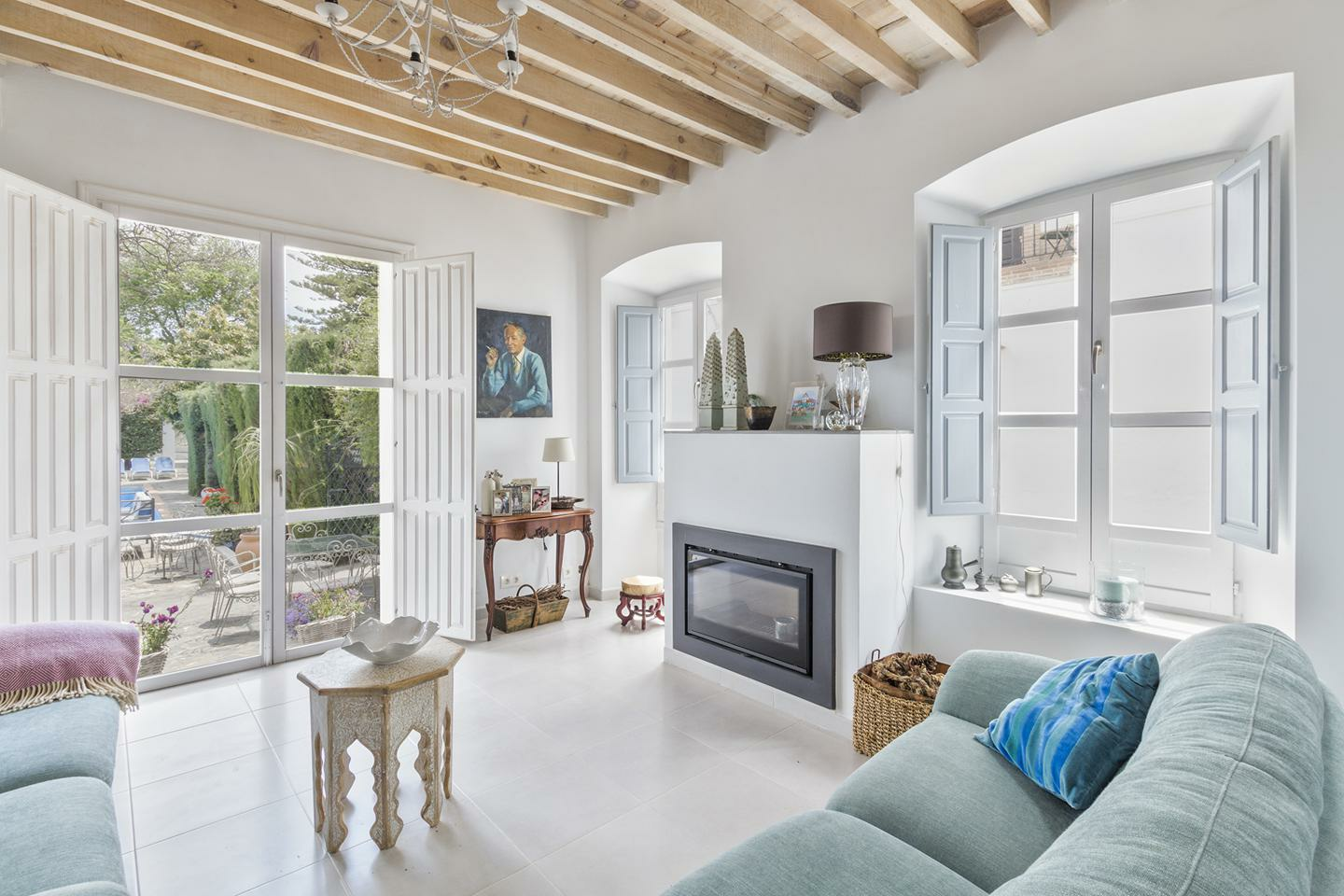
Depending on the type of room and its size, lighting should be warmer or cooler, adapting to the needs of the moment. Ceiling lamps and table lamps are now frequently combined with LED strips—an increasingly popular feature across living rooms, kitchens, entryways, and bathrooms.
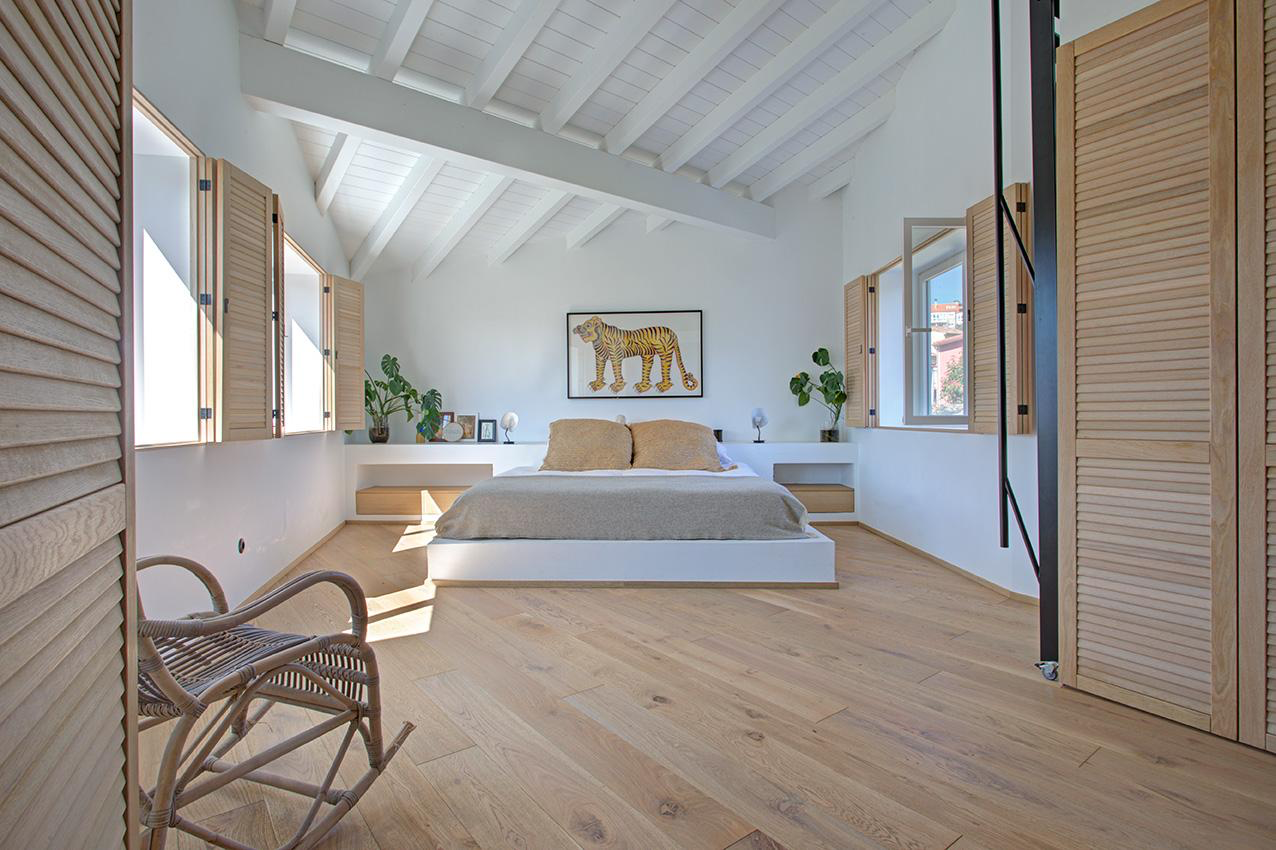
To achieve architectural lighting, it’s best to combine natural and artificial light, planning carefully where and how each light source is positioned. This includes maximizing daylight through large windows and reflective surfaces, while integrating artificial light—recessed fixtures, LED strips or accent lighting—to create layers that highlight architecture, decorative details, and help define the ambiance.
For added texture and drama, grazing light can be used to highlight surfaces such as stone walls. This technique involves directing light tangentially and at a steep angle (almost parallel) to a surface to accentuate its irregularities, textures, or relief. The close angle casts pronounced shadows that bring out details—like brushstrokes on a canvas, the grain of a stone façade, or subtle imperfections in smooth finishes.