The Perfect Toast, by Glòria Vallès.
Christmas is just around the corner, and soon we’ll be gathering with family, colleagues, and friends. Moments of celebration, of sharing good wishes for the year ahead. Have you already decided what you’ll be raising your glass with this festive season?
To offer some inspiration, we spoke with Glòria Vallès, a lifestyle specialist and passionate lover of fine wine and gastronomy. After spending years working as a sommelier in her family business, she now works in communication and event organization. She is also an expert taster of chocolates and teas.
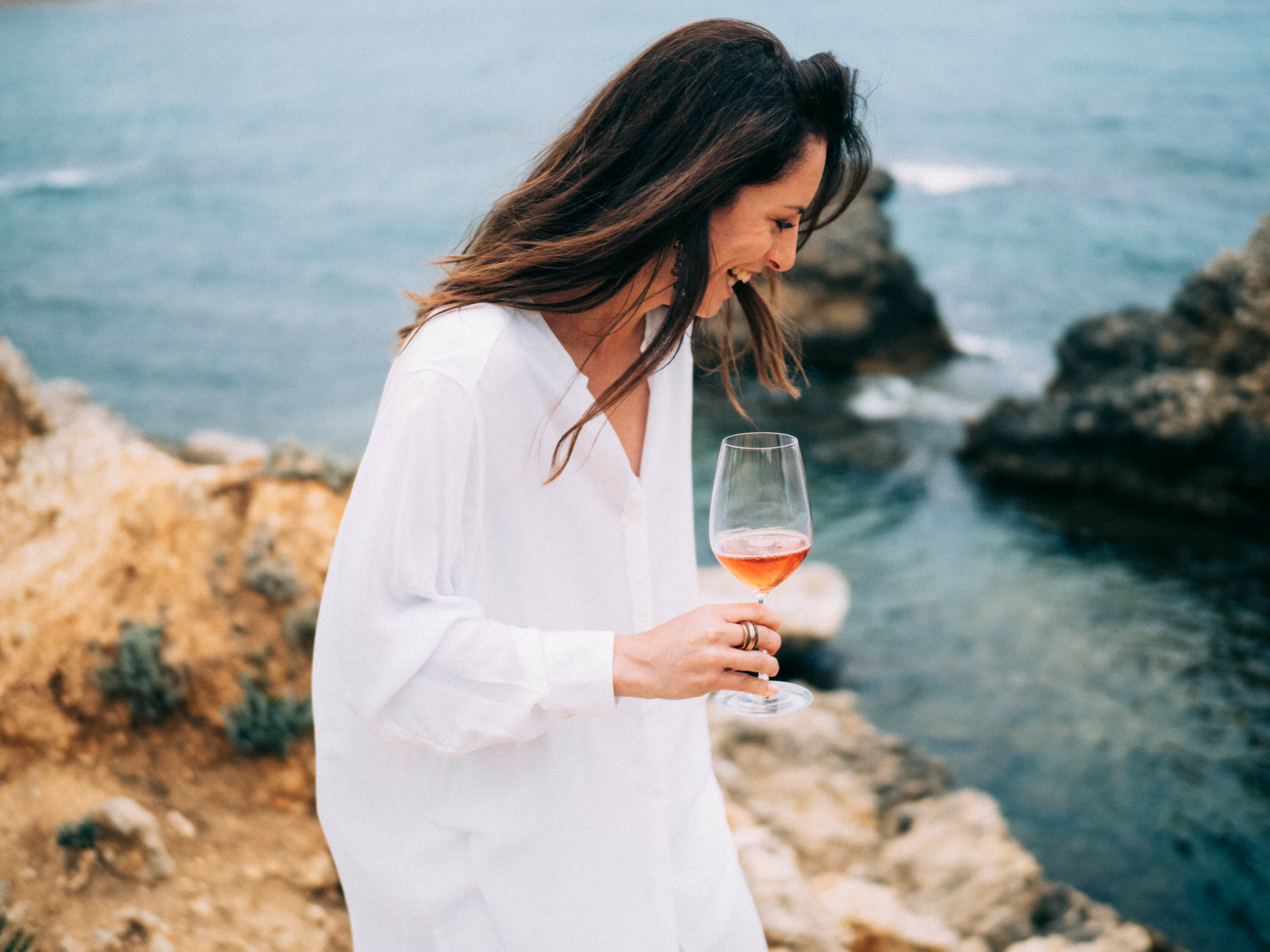
How did you begin working in the world of wine?
Through family tradition, like many people in this industry. My grandfather was from Penedès and loved wine—especially Burgundy Pinot Noir. He owned a hundred-hectare vineyard just thirty minutes from Barcelona, which we eventually transformed into a hotel with a spa. I worked there for ten years before deciding to start my own personal project.
I love wine and gastronomy, I’m a communicator, I organize events, and I also run my strategic marketing agency, Bizglow Marketing.
Historically, it has been a very male-dominated world. Was it difficult to break into?
Very difficult. Although I’m not sure whether it’s more challenging than other sectors for women—transport, energy, or even the armed forces, for example. I believe women have gradually gained ground and earned the professional respect we deserve, but there is still a long way to go.
The holiday season is approaching. What do you prefer for toast: champagne, cava, cider, or wine?
I’m Catalan—at Christmas, we toast with cava. It’s a tradition that goes beyond the product itself; it represents identity. Can you imagine serving prosciutto instead of jamón in a Spanish bar? Culture is also defined by the food we eat and the recipes we prepare. If we want to preserve it, we must protect our traditions.
That doesn’t mean I always choose cava. I love good champagne and, of course, quality wine. I choose depending on the moment—but in my family home, Christmas is always toasted with cava.
“Culture is also defined by the food we eat and the recipes we prepare. If we want to preserve it, we must protect traditions.”
Glòria Vallès
A Wine for Every Moment
Red, white, or rosé?
It depends on the moment, the food, and the company.
What should we consider when choosing the perfect wine?
I don’t believe perfect wines exist. What does exist are authentic wines, full of personality—wines that can elevate a moment, enhance a meal, or help create memorable experiences.
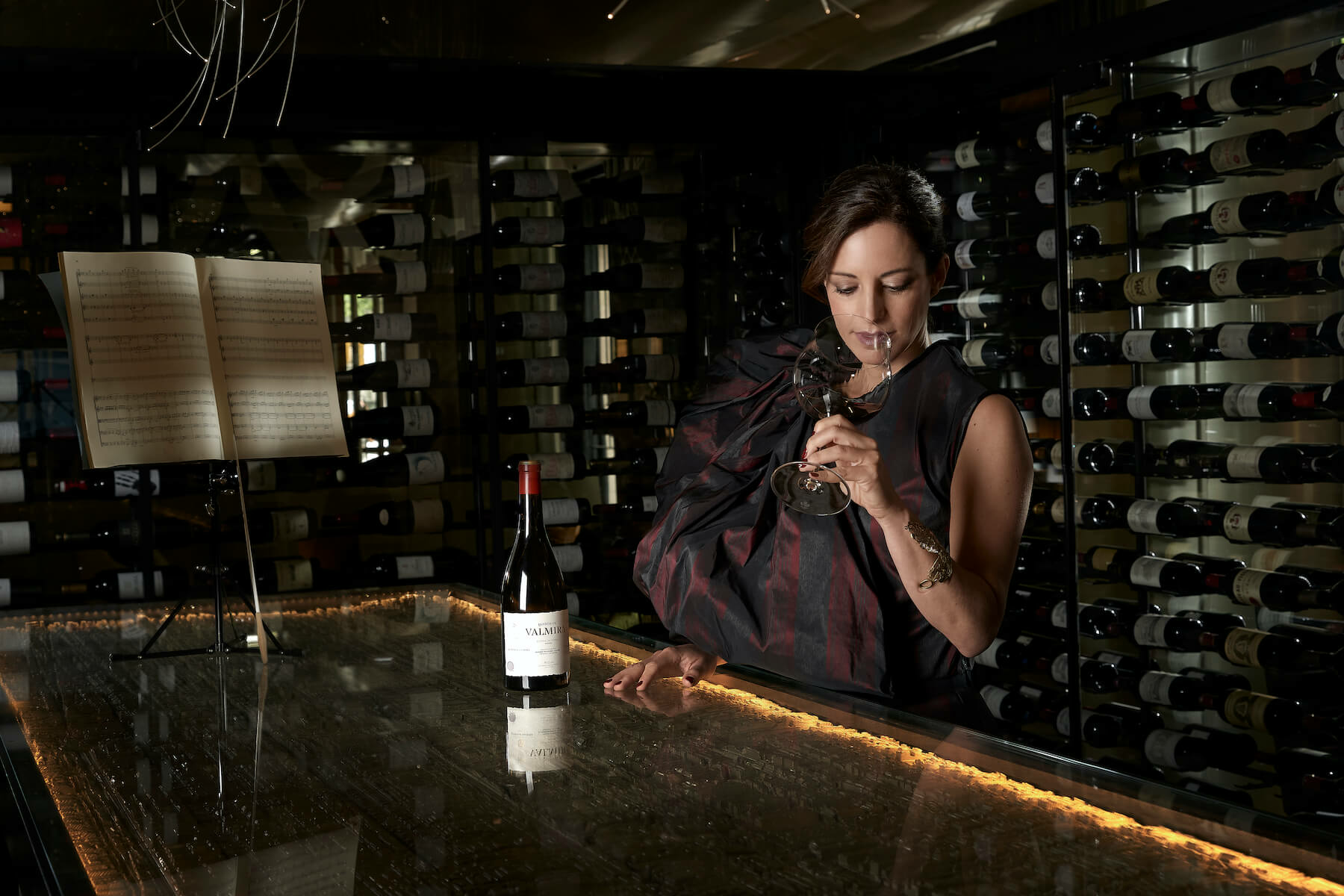
How important is food pairing when choosing wine for a meal?
Harmony between wine and food can amplify the experience. A good sommelier knows how to choose the right wine for each dish and the recipe that best enhances each wine. Pairing is an art, and it’s difficult to explain unless you experience it.
That said, should we worry if we don’t choose the “right” wine? Not at all. The best wine is the one you feel like drinking at that moment.
Are you more of a Rioja or a Ribera del Duero person?
I prefer choosing wines based on their style and the producer’s philosophy. Within each region, there are wineries working in very different ways, so I would never simply order a Rioja or a Ribera del Duero in a restaurant. Nor a verdejo or a chardonnay. I always focus on the wine’s style and who makes it.
I confess I can be a bit slow choosing from a wine list—I get lost reading and analyzing it!
Rosé wine hasn’t always had the best reputation, but it seems to be gaining ground. Is it marketing, or has quality really improved?
Global rosé consumption is growing, and branding and marketing have played a major role in that growth. That’s a positive thing, because increased demand gives producers room to invest in quality improvements.
Most of the products we consume rely heavily on marketing, why not wine? Think about the yogurt, pasta, or cereal brands you buy. Even matcha tea, now so fashionable for its health benefits. Or avocados, which don’t even have a brand yet suddenly became a trend.
None of this is accidental. Everything is studied: shelf placement, packaging design, pricing, who recommends it. We live in a consumer society where marketing influences most purchasing decisions, even when we’re not aware of it. In that sense, the success of rosé wine is something that should be replicated in other wine styles.
When hosting guests at home or at an event, how important is wine within the overall experience?
Wine can be a powerful ally in elevating an event experience. You can play with styles or brands depending on what you want to communicate. I use wine in events to create experiences that convey freshness, elegance, fun, or tradition. It’s fascinating. Just like music, lighting, or gastronomy, wine plays a very important role.
Chocolates and Teas
You’re also a chocolate taster. What do you recommend when choosing good chocolate this Christmas?
If you want quality chocolate, don’t buy it in the supermarket—not even from brands with excellent marketing that position themselves as premium. Most of the chocolate we consume isn’t high quality. Large brands use excessive sugar, fats, vanilla, and other ingredients that mask—or even replace—the cocoa. And now that cocoa prices are rising, even more so.
It’s better to eat less chocolate, but of higher quality. If you choose good bean-to-bar chocolate, your body won’t crave constant repetition. You’ll be able to savor it slowly, without that addictive feeling, which is more related to sugar than cocoa.
I buy mine at El Club del Chocolate, choosing different brands and origins, usually with over 70% cocoa content.
Non-alcoholic beverages are becoming increasingly popular. What would you recommend for someone who doesn’t drink alcohol, for example, to accompany a dinner?
Tea is an excellent option if you’re looking for non-alcoholic drinks. As with wine, there are countless origins and styles, some aromatic, others more subtle. A good tea can be a wonderful companion to a gastronomic experience.
Mocktails are also a great option, as well as alcohol-free wines or beers.
“Should we worry if we don’t choose the right wine? Not at all. The best wine is the one you feel like drinking at that moment.”
Glòria Vallès
An Exercise in Imagination
Finally, we’d like to ask you for a little exercise in imagination… Choose a drink to toast in the following properties.
I love this challenge! The settings are inspiring, and wine can beautifully accompany what each place conveys.
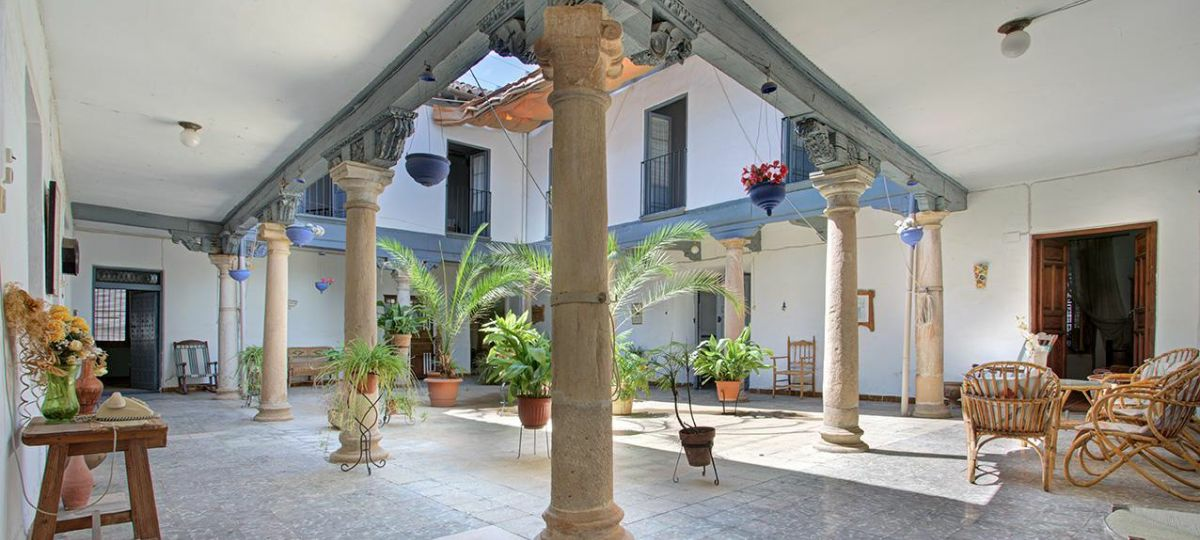
1. The Fúcares Palace in Almagro. Ciudad Real
In a property defined by Renaissance design, I would choose wines that reconnect with history. I’d serve a Garnacha tinta from DO Madrid, such as Las Moradas de San Martín—wines that honor a tradition dating back to the 12th century. Or a Garnacha from the Sierra de Gredos by Comando G, a highly regarded producer that elevated old Garnacha vines to international prestige.
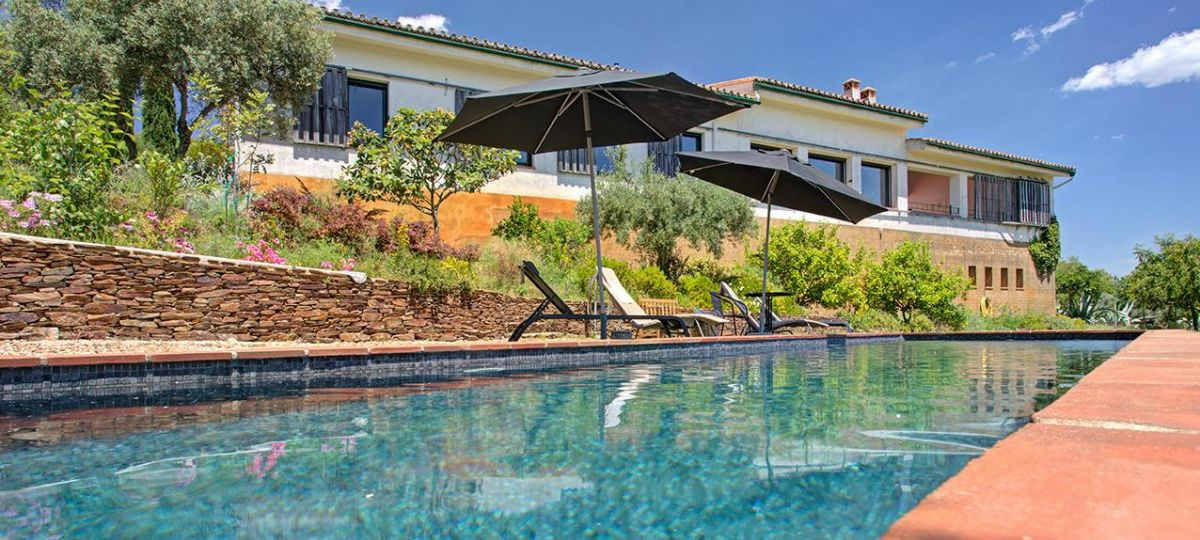
2. Stunning architect-designed home overlooking Sierra de Santa Cruz. Cáceres
In summer, by the pool, I’d serve a chilled Manzanilla from Sanlúcar de Barrameda, accompanied by olives and almonds. A touch of sea flavor brought into this inland setting.
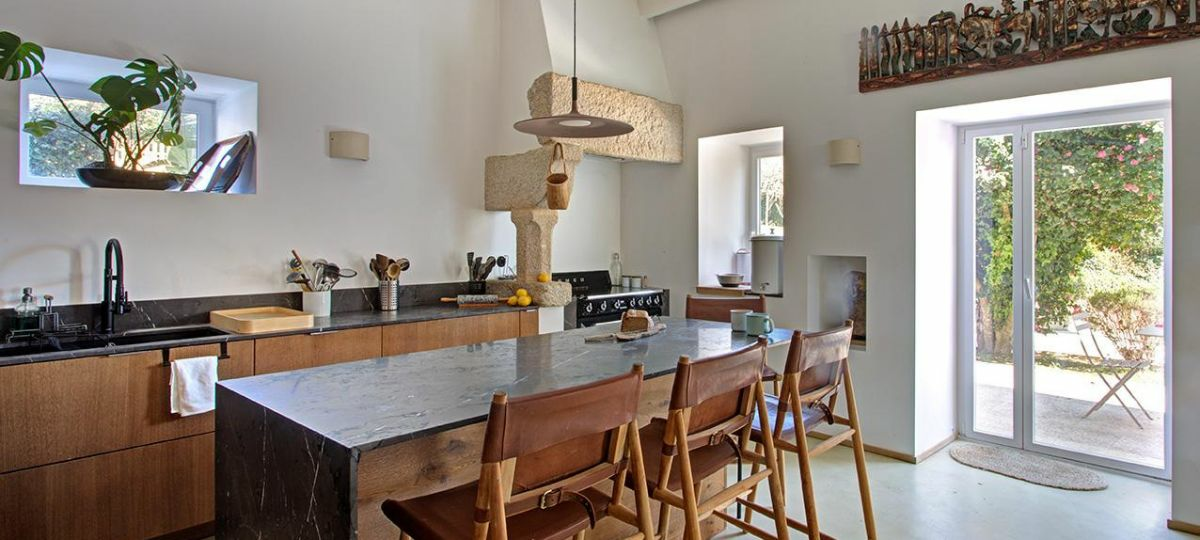
3. Barefoot luxury at the gateway to the Atlantic. A Coruña
The renovation of this property is beautiful. In the kitchen, while preparing lunch, I’d serve a white wine from Valdeorras made with Godello—Louro by Rafael Palacios, for example.
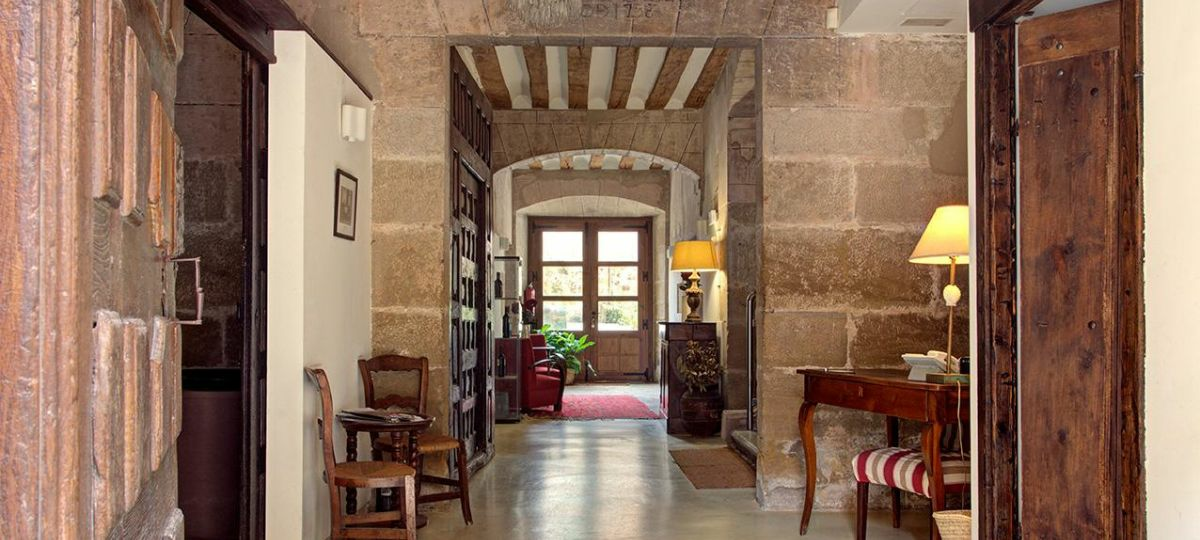
4. A historic gem in the heart of La Rioja Alta
In Rioja, there are endless options—we could serve a different wine every day. I’d start with Gaudium by Marqués de Cáceres or Finca Martelo by La Rioja Alta.
5. Brand-new luxury apartment in Goya–Recoletos, Madrid
Design, exclusivity… I can’t help but think of Champagne when I see this property. I’d choose a sparkling wine from this region.
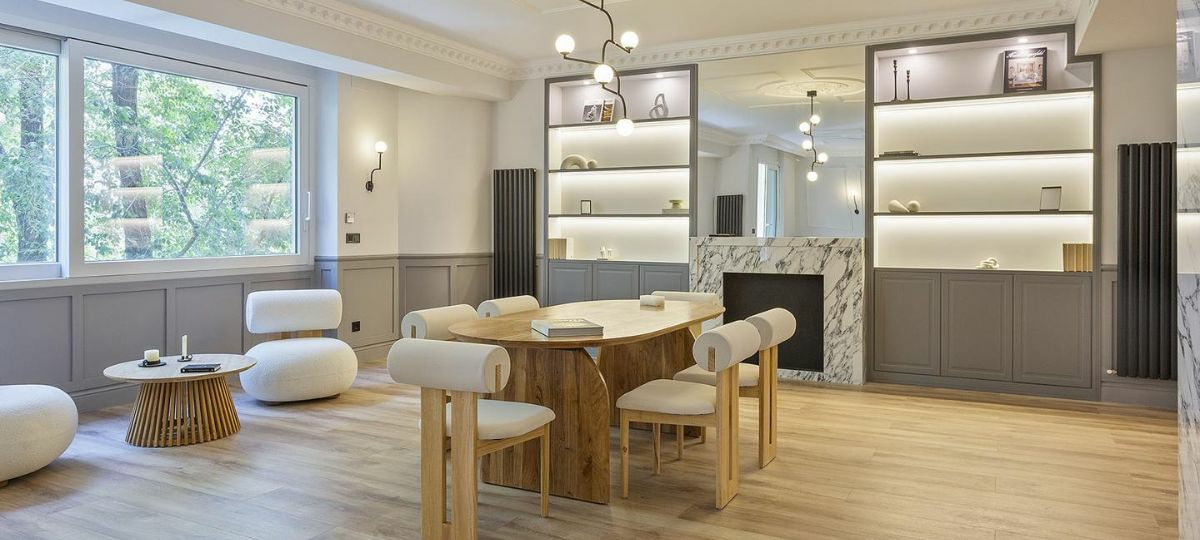
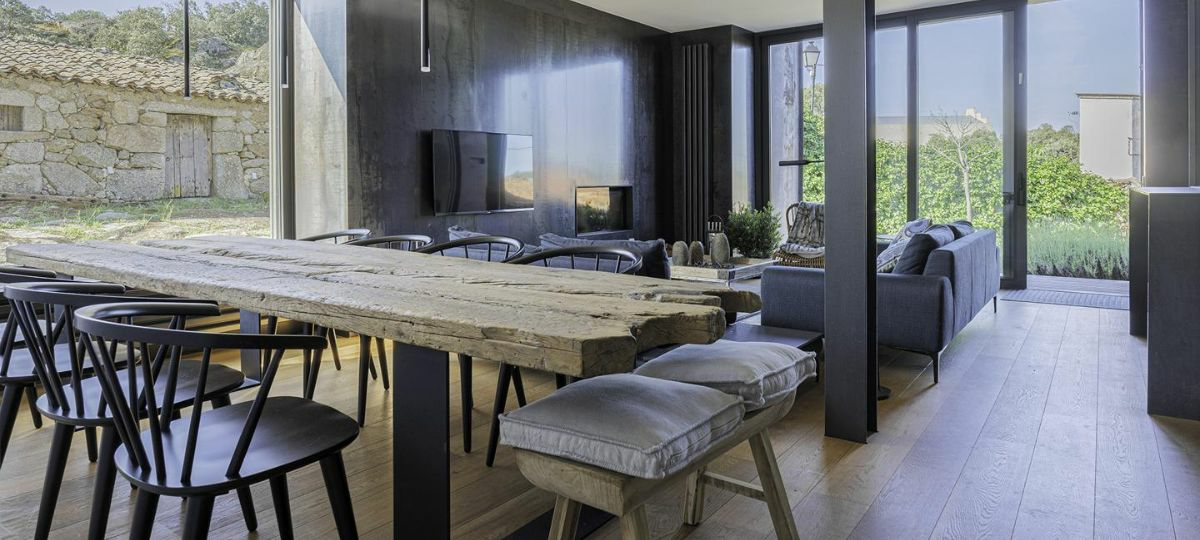
6. Traditional stone-built house with a luxury upgrade. Ávila
The blend of traditional architecture and contemporary design calls for a wine born from that same fusion. I’d choose any wine from Valtravieso’s Manifiesto collection.